That Bargain Mod on Facebook Might Cost You More Than You Think

Photo: Glen Kisby and Jacob Raber, CC BY 4.0, via Wikimedia Commons
Scroll any local selling group for long enough and you'll spot them: a 'barely used' SMOK mod going cheap, a job lot of shortfills at half retail price, a 'genuine' Voopoo listed from an account with no photo and a name like Darren9945. The second-hand vape market is booming, and honestly? Most of it should stay well clear of your pocket.
We're not here to lecture. We get the appeal — vaping isn't cheap, and a £60 mod listed at £25 looks like a no-brainer. But there's a reason the grey market exists outside the regulated one, and it's rarely to your benefit.
The Fake Problem Is Worse Than You Think
Counterfeit vape hardware is one of the most counterfeited consumer electronics categories going. The big brands — SMOK, Voopoo, Vaporesso, Geekvape — are all heavily cloned, and the fakes are getting scarily good. Boxes look right. Serial numbers look right. The tell-tale signs are subtle: slightly wonky logos, paint that chips early, menus in odd English.
Here's the thing about buying second-hand: even if the seller is genuine, they may not have known their kit was fake. Counterfeits enter the second-hand chain invisibly, and once a mod has changed hands twice, tracing its origin is basically impossible.
Why does it matter? Because a counterfeit mod has no genuine battery protection circuitry. These devices push serious current through lithium cells. A proper regulated mod has multiple layers of protection against shorts, over-discharge and overheating. A knockoff has whatever the clone factory felt like fitting that week.
Battery Safety Isn't Optional
A used mod might come with used batteries, and that's where things get properly dicey. Lithium cells degrade with every charge cycle, and a battery that's been fast-charged daily for two years, carried loose in a pocket with keys, and charged on a dodgy cable is not a battery you want pressurised next to your leg.
Genuine cells from Molicel, Samsung, Sony and the like are manufactured to tight tolerances. Re-wraps and fakes are not. Unless you can verify the age, history and authenticity of a second-hand cell — which you basically can't — treat it as a paperweight.
Hygiene: The Bit Nobody Wants to Think About
Tanks, pods and mouthpieces get, well, mouthy. Second-hand tanks come with someone else's dried e-liquid baked into the airflow, coils past their prime, and potentially bacteria you'd rather not meet. Yes, you can strip and clean a tank in hot soapy water. Most people buying a £15 second-hand tank won't bother.
Bulk E-Liquid: A False Economy With a Legal Twist
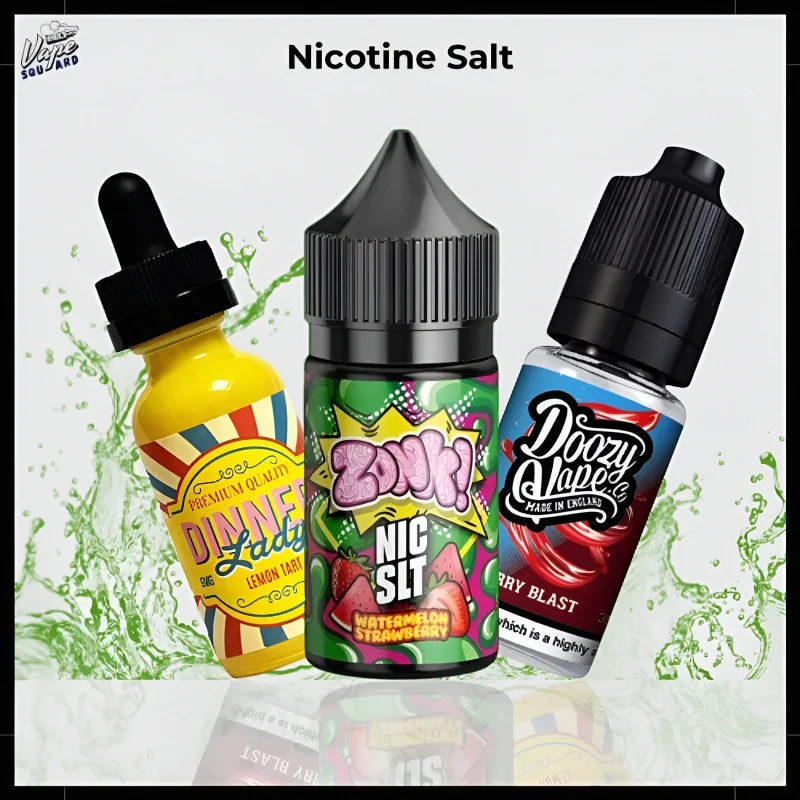
Those job lots of shortfills on Marketplace? A few problems. First, e-liquid degrades — nicotine oxidises, flavours fade, and you've no idea how it's been stored. Second, and more importantly, UK and EU TPD rules require all e-liquids to be notified, tested and sold with childproof, tamper-evident packaging. Liquid sold out of a car boot or a living room has been through none of that. If it's been decanted, refilled or re-bottled, you're essentially vaping mystery juice.
How to Spot a Fake: A Quick Checklist
If you're still tempted — or you've already bought — run through this:
- Check the scratch panel. Most major brands use authenticity codes under a scratch-off sticker. Verify on the manufacturer's official site, not a link the seller gives you
- Weigh it up. Fakes are often lighter due to cheaper internals
- Inspect the print. Blurry logos, misaligned text, wrong fonts — classic tells
- Test the menus. Counterfeit firmware often has translation errors or missing features
- Price sanity check. A £90 RRP kit selling at £30 new-in-box isn't a bargain, it's a flag
- Ask for the receipt. A legitimate seller won't mind; a reseller of fakes will go quiet
Where We Land
Look — buying second-hand isn't automatically madness. A used mechanical mod from a known member of a vaping forum with a full purchase history is a different beast from a cash-in-hand Marketplace deal. But for most people, most of the time, the maths doesn't work: you're saving maybe £20–£30 to take on battery risk, fake risk, hygiene risk and zero warranty.
TPD-compliant UK retailers exist for a reason. We carry the compliance burden, the product testing, the genuine stock and the aftercare so you don't have to gamble. That £25 'bargain' mod might cost you a coil. In the worst cases, it costs considerably more.