Eighteen Months Without Disposables: What Stuck, What Didn't
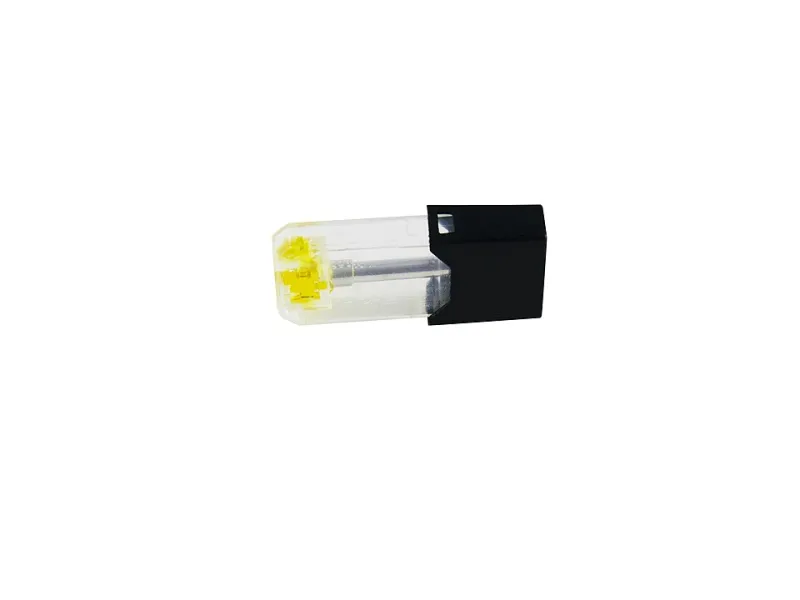
Photo: VaporVanity.com, CC BY 2.0, via Wikimedia Commons
June 2025 feels both recent and very distant from here. The ban on single-use vapes came in, the shelves cleared, and a great many people who had built a habit around a sealed pocket device had to decide what to do next. Eighteen months on, the picture is clearer — and messier than either the doomiest predictions or the tidiest success stories suggested.
What actually changed
Overnight, the most convenient vaping product in Britain stopped being legal to sell. Not the nicotine, not the act — just the format. Sealed, pre-filled, non-rechargeable, binned when the light went out.
The replacement was always going to be a pod and a bottle. The question was whether that replacement would feel like an upgrade or a chore. Mostly it has landed somewhere in between, and which side of the line you fall on has less to do with the hardware than with how you were using disposables in the first place.
What people said they'd miss — and what they actually missed
Ask anyone who came through the switch and you'll hear the same short list.
The size. A disposable disappears into a jeans pocket; a pod plus a 10ml bottle is two objects, not one, and one of them is a bottle. The lack of thinking. No coil to consider, no liquid to buy, no charging cable to remember. The flavour intensity, which was often ferocious in a way that a compliant 10ml bottle finds harder to match. And the price per unit — a fiver, no commitment, bought from the corner shop on the way home.
The things people expected to miss and didn't: the waste, mostly. Once you've filled a pod twice the ritual stops feeling like admin and starts feeling normal. A surprising number of switchers say the thing they noticed most was how much less rubbish they were producing.
What nobody was prepared for was flavour. A disposable's liquid is engineered to be loud on the first puff, because it only has to survive a few hundred of them. A refillable pod with a decent 50/50 bottle tastes different — rounder, less shouty, and better on day three than on day one. Some people loved that immediately. Others spent a month convinced their new setup was broken.
The 10ml bottle became the unit of everything
The practical shape of post-ban vaping in the UK is a 2ml pod, a 10ml bottle, and a coil that lasts somewhere between five and twelve days. That's the arithmetic of the whole thing now, and learning it takes about a fortnight.
Ten millilitres sounds small until you realise it's roughly five days of moderate pod vaping — longer if you're on 20mg nic salt and taking fewer, shorter puffs. Buying two or three bottles at a time rather than one is the single biggest quality-of-life improvement most new switchers make, because running out is the false economy that sends people back to the shop or onto next-day delivery.
What to prioritise in a first refillable, in 2026
If you're making the switch now, or helping someone who is, the priorities are more boring than the reviews suggest.
Pick a pod system with cheap, widely stocked pods. Not the prettiest one, not the one with the screen — the one where a five-pack is under £15 and every shop in the country keeps them. Availability is a feature.
Pick a nicotine strength that matches what you were using. A 20mg nic salt in a low-power pod is the closest thing to a disposable's hit. Jumping straight to a sub-ohm tank at 6mg because it sounds more grown-up is how people end up vaping constantly and feeling like it isn't working.
Pick two flavours, not seven. One all-day, one for when the all-day goes flat by Thursday. The rest can wait.
And buy a spare pod. Not a spare kit — a spare pod, so a cracked cartridge doesn't end your week.
The false economies that caught people out
The first was buying the cheapest possible kit and replacing it every month. Four £9 pods in a year costs more than one £35 device that lasts, and the cheap ones are the ones that leak.
The second was chasing disposable-matching flavour intensity with high-VG shortfills and a big tank. It works, sort of — but now you're buying 50ml bottles, nic shots and coils rated for 70W, and the simple five-quid habit has become a £60-a-month hobby with a spreadsheet.
The third, and the most common, was the drawer of optimism: eleven bottles, four flavours that turned out wrong, and a coil nobody can identify. A small, disciplined rotation beats a collection every time.
Who adapted, and who's still grumbling
People who vaped a disposable occasionally — a night out, a stressful Tuesday — adapted worst. The whole point was zero commitment, and refillables ask for a small ongoing one. Many of them didn't move to pods at all. They went back to cigarettes, or stopped, or cadged a spare off a mate.
People who vaped daily adapted best, and often found the switch improved things. A pod that costs pennies a day, a flavour they chose rather than one sealed inside a plastic tube, and a battery with a level they can actually see.
Where that leaves us
Eighteen months in, the refillable is simply how it's done. The youth-vaping panic that dominated the run-up to the ban has quietened, though nobody sensible claims it's solved. The bins are lighter. And the nation's vapers have settled into a rhythm of pods, bottles and the occasional forgotten coil at the back of a drawer.
Not a triumph. Not a disaster. A habit that changed shape, as habits do.